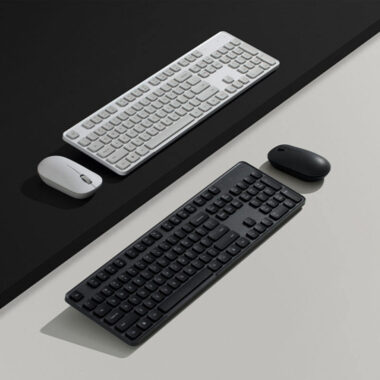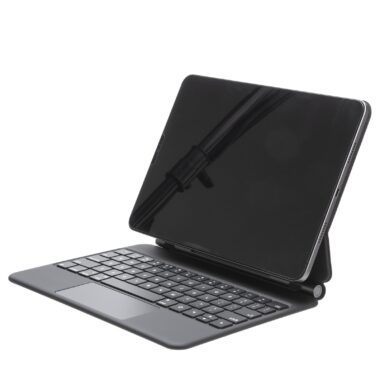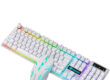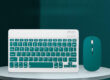


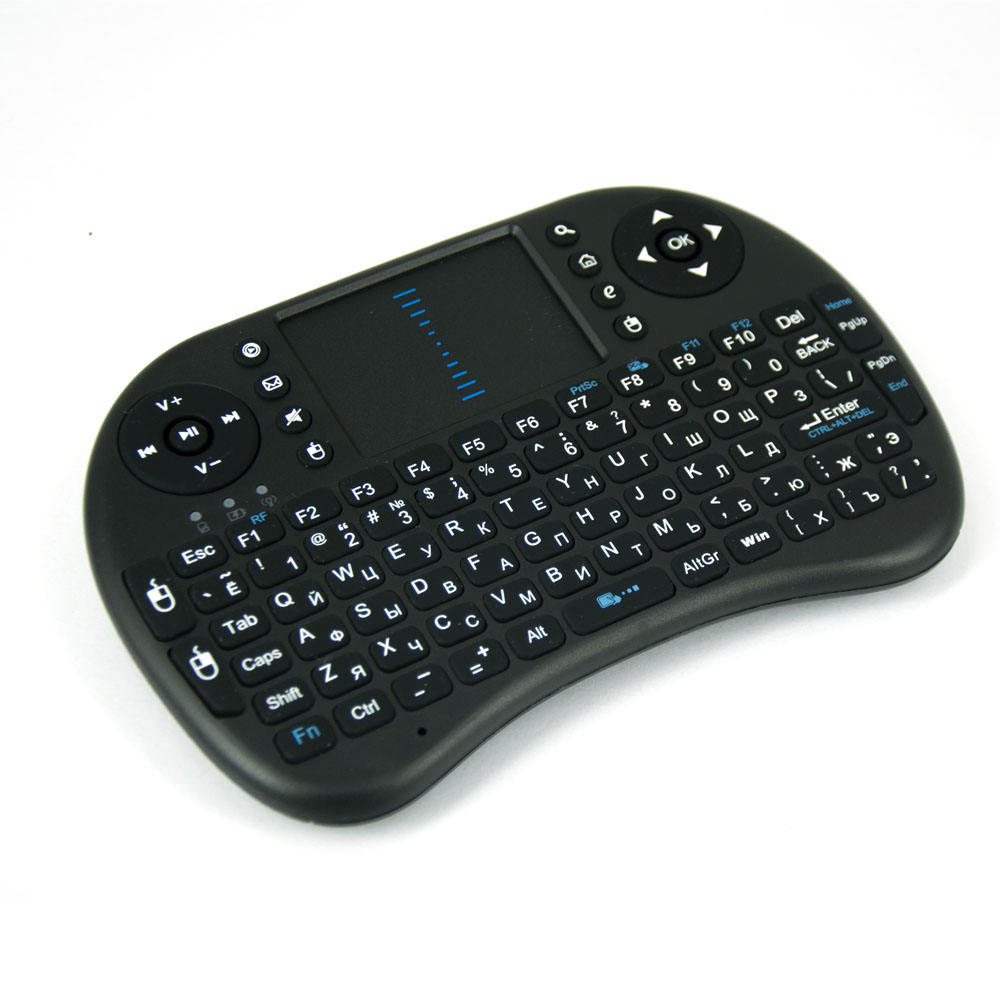
The way people work has changed dramatically. With hybrid models, shared offices, and remote teams becoming the norm, companies are searching for hardware that supports flexibility and productivity. This shift has created rising demand for solutions offered by wireless keyboard suppliers, who are innovating to meet these evolving requirements.
📶 Freedom from Cables
In modern office layouts, clutter reduction is a top priority. Wireless keyboards eliminate messy cords, allowing for cleaner and more organized workstations.
-
Bluetooth and 2.4GHz options for diverse connectivity
-
Multi-device pairing to switch between laptops, tablets, and desktops
-
Rechargeable batteries that minimize downtime
By sourcing from a wireless keyboard manufacturer, buyers can provide employees with streamlined setups designed for efficiency.
🧑💻 Ergonomics for Healthier Work
Employee well-being is increasingly important. Wireless keyboard suppliers now focus on ergonomic designs that reduce wrist strain and improve typing posture:
-
Split key layouts for natural hand positioning
-
Slim, low-profile designs for comfort
-
Adjustable tilt angles for better alignment
This focus on ergonomics supports long-term productivity and reduces workplace fatigue.
🎒 Portability for Hybrid Workers
For employees alternating between home and office, portability is essential. Wireless keyboards are:
-
Lightweight and compact for easy carrying
-
Durable for travel and everyday use
-
Compatible across operating systems, ensuring smooth transitions
This adaptability is why enterprises increasingly buy in bulk from trusted keyboard wholesale suppliers.
🔋 Reliability and Performance
While convenience is important, businesses also demand reliability. Modern wireless keyboards feature:
-
Lag-free connections for professional tasks
-
Long battery life exceeding six months on a single charge
-
Encryption protocols for secure data transmission
These features ensure that wireless models meet enterprise-grade standards.
🌍 Future of Wireless Office Tools
Trends indicate that wireless keyboards will continue evolving alongside office needs:
-
Solar-powered options for sustainability
-
Smart integration with cloud-based workflows
-
Voice-activated features for enhanced multitasking
Such innovations show how suppliers are preparing for the offices of tomorrow.
✅ Conclusion
Wireless keyboard suppliers are no longer just providing typing devices—they are delivering tools for flexibility, comfort, and productivity. For businesses adapting to hybrid work, wireless keyboards represent the future of smart office equipment.